What is wordpress
Curious Kailash Menu
SEO means Search Engine Optimization, which is the practice of optimizing websites and their content to increase their visibility and rank higher in search engine results pages (SERPs) for relevant keywords and phrases. SEO involves a wide range of tactics and techniques, including keyword research, on-page optimization, link building, content creation, technical optimization, and more.

The ultimate aim is to make a website more relevant and useful to users and search engines, so that it can rank higher in search results and attract more traffic, leads, and conversions. A search engine ranking algorithm works as a sophisticated filter that tries to prioritize web pages in a manner that will place the most relevant web page content for that particular search query in the corresponding top ten search results.
SEO is a process of improving the ranking of a website on search engines. By doing so, you can attract more web traffic to your site from potential customers who are looking for information about your product or service.
Search engines provide results for any search query a user search for it. To do so, they survey and “understand” the vast network of websites that make up the web. They run a sophisticated algorithm that determines what results to display for each search query. It’s the practice of improving the visibility and ranking of a website or web page in the organic (unpaid) search engine results pages (SERPs).
Some of the basic steps of how SEO works:
Search engine Optimization (SEO) is the practice of improving the ranking of a website in search engine results pages (SERPs). This can be done through various means such as increasing the number of organic clicks on on-site content, improving the website’s on-page optimization, and employing off-page SEO tactics. The process ensures that each of the four pillars of SEO is catered to:
Content: Publishing value-packed content that search users want to see.
Technical SEO: Ensuring the site in question is easy for Google to crawl and index.
On-site SEO: Optimizing content and HTML for target keywords.
Off-site SEO: Generating high-quality backlinks to the site to boost its domain authority.
Search engine optimization process is the way in which websites are developed, and their performance is improved in order to prepare them for search engines. This is done by drawing plans and strategies that help a website or page in a website appear in google SEO results.

Search engine optimization is a very simple thing to understand. We optimize our content, pages, platforms, accounts according to the search engines and their set parameters. But there is something more important than just a definition. The problem with search engine optimization is that people know everything about it. Because it seems easy when you are learning it. But when it comes to the practical implementation, then you will find that the whole SEO process is not that easy. Because there are so many real time issues that come in your way to refrain you from achieving results. So, you must have to do it practically. Here we are with the complete SEO process. So, let’s jump to the main section of this post.
You can see that the process of doing search engine optimization for your website is not that hard. It is very simple for all the website owners. But still you will need someone expert in search engine optimization. There are a few important things that you need to consider while doing SEO. Following are these important things related to SEO.
Some of the major things to be consider in SEO are as follows:
There are different types of SEO are there in Digital Marketing which helps brands to uplift themselves in Online Presence. Some of the major SEO Types are as follows
1. On-page SEO
On-page SEO refers to the optimization of individual web pages to improve their ranking and visibility in search engines. This includes optimizing the content and structure of the page itself, as well as the HTML tags and meta information that describe the page to search engines. On-page SEO includes a variety of techniques, such as keyword research, content optimization, title tag optimization, meta description optimization, URL structure optimization, and internal linking. The main goal of on-page SEO is to make a page as user-friendly as possible while providing search engines with the information they need to understand what the page is about and rank it appropriately.

2. Off-Page SEO
This involves working to improve a website’s link profile or the number of links pointing to it from other websites. Majestic, for example, is an off-page SEO tool that can be used to analyse a website’s link profile and determine which links are most important and valuable.
Off- Page SEO majorly focus on Link building to websites. The Link building techniques are as follows:
3.Technical SEO
Technical SEO refers to the optimization of the technical infrastructure of a website to improve its ranking and visibility in search engines. This includes a range of activities, such as improving website speed, optimizing website architecture, implementing schema mark-up, and ensuring that the website is mobile-friendly. The main goal of technical SEO is to ensure that search engines can crawl, index, and understand the website’s content and structure, and to make the website as user-friendly as possible.
On overview, this is useful for website faster, easier to crawl, and more understandable for search engines are the pillars of technical optimization.
4.Social Media Marketing
This involves using social media platforms such as Facebook, Twitter, and LinkedIn to build relationships with potential customers and promote your brand or product. By doing so, you can attract new visitors who may then be interested in your products or services.
SEO is an essential part of any digital marketing plan. It can help you rank higher in search results, increasing the chances that potential customers will find your website. Additionally, it can improve your site’s visibility and attractiveness to potential customers.
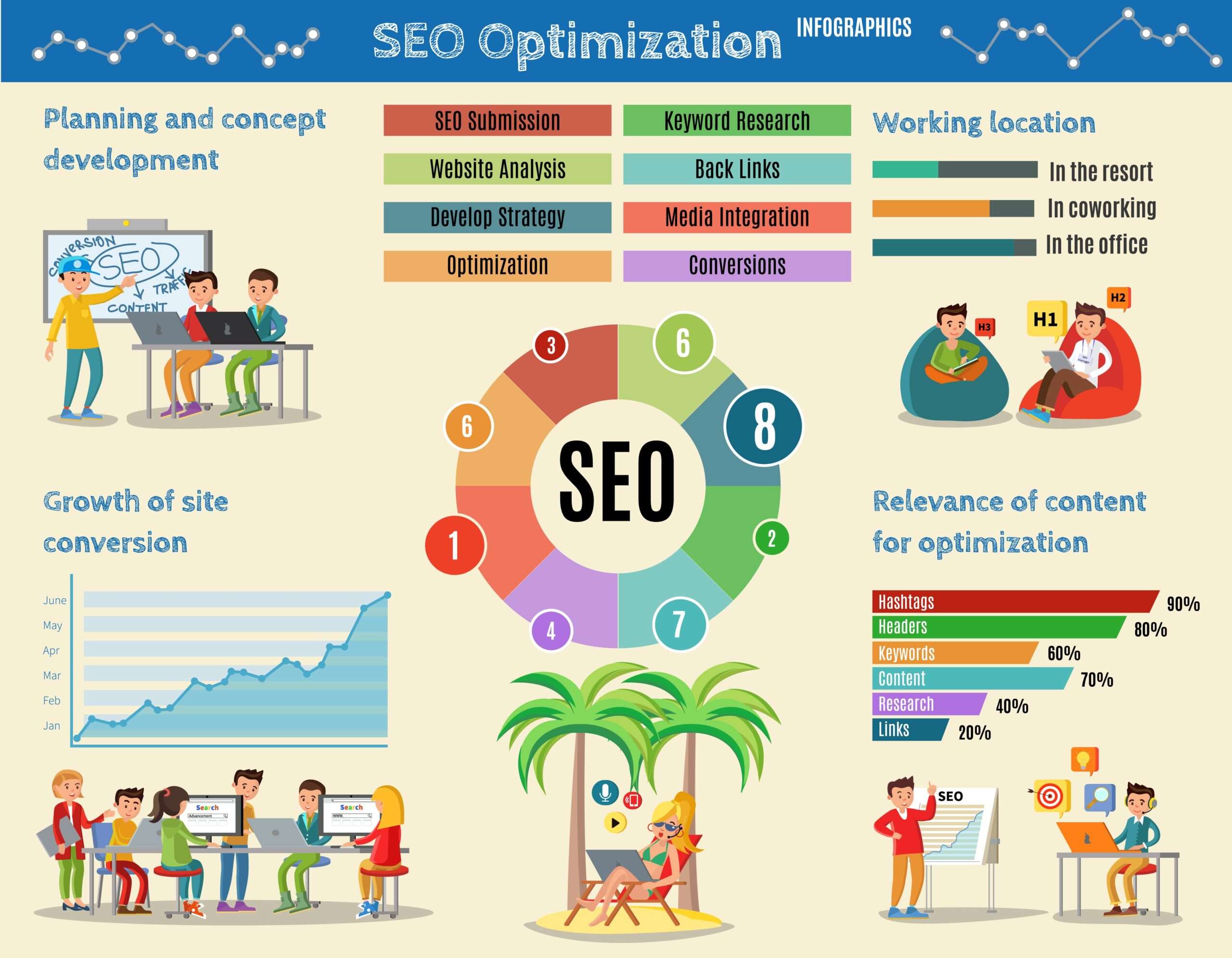
Some of the Major benefits of SEO are as follows:
Conclusion:
SEO is an ongoing process that involves various optimization techniques to improve a website’s visibility and ranking in the search results. The ultimate aim is to make a website more relevant and useful to users and search engines, so that it can rank higher in search results and attract more traffic, leads, and conversions.
In an Overview, SEO can be a powerful tool for businesses and website owners looking to improve their online visibility, attract more traffic and customers, and grow their brand and business over the long term.

Curious Kailash Menu

Curious Kailash Menu

Curious Kailash Menu

Curious Kailash Menu

Curious Kailash Menu Home About Me Blogs Free Resources 10+ Free Email Marketing Templates 500+ Social Bookmarking Sites List 2023 High DA & PA 1000+ ...

Curious Kailash Menu