Digital marketing is a method of advertising a company’s goods or services online through apps, sites, social media and search engines. This form of marketing focuses on reaching consumers through their phone, laptop, or any other smart device. Billions of people actively use the internet, and because of that, marketing has shifted from traditional commercial ads, billboards and paper ads to web-based approaches. Digital marketing can become an active marketing channel to attract and engage with new customers.
Digital marketing has exploded in popularity over the past decade, and it shows no signs of slowing down in the near future. It’s has become increasingly important in recent years due to the rise of technology and the internet. With the majority of people now using the internet to search for products and services, businesses need to have a strong digital presence in order to stay competitive. SEO involves optimizing a website or web page to rank higher in search engine results pages (SERPs) for specific keywords or phrases. This can be done through on-page optimization, such as optimizing content and meta tags, as well as off-page optimization, such as building backlinks from other websites.
Importance of Digital Marketing
Digital marketing is becoming increasingly important in today’s business world. It refers to any marketing effort that uses digital channels or platforms to promote products or services. With this increased use of technology, digital marketing platforms have become essential to the digital marketing world. Tech advancements such as AI and machine learning make marketers better equipped with the marketing technology they need to reach consumers on digital devices at just the right moment, as opposed to traditional marketing methods, which have to be planned and placed well in advance
The importance of digital marketing can be summarized as follows:
- Increase Traffic
With the increasing number of people using the internet, digital marketing allows businesses to reach a larger audience than traditional marketing methods. This means that businesses can connect with potential customers on a global scale, opening up new markets and opportunities.
- Target Marketing
Digital marketing enables businesses to target specific groups of people based on their interests, demographics, and behaviours. This means that businesses can tailor their marketing messages to the needs of their target audience, resulting in higher conversion rates and better return on investment.
- Cost-effective
Digital marketing is often more cost-effective than traditional marketing methods such as print, radio, and television advertising. This is because digital marketing allows businesses to reach a wider audience with less money spent on advertising.
- Branding
Digital marketing can help businesses build their brand by increasing their visibility and creating a strong online presence. This can lead to increased brand recognition and customer loyalty over time.
- Measurable
With digital marketing, businesses can track and measure their marketing efforts in real-time. This means that businesses can see which campaigns are working
- Competitive edge
Businesses that invest in digital marketing gain a competitive edge over those that do not. It helps them stay ahead of the competition and reach new customers.
Examples of Digital Marketing
In short, a digital marketing is any tool that you use online. Here are a few of the more common examples:
- Social Media Profiles
- Website
- Images and Video Content
- Blog Posts and eBooks
- Reviews and Customer Testimonials
- Branded Logos, Images, or Icons
Difference between Digital Marketing and Traditional Marketing
Digital marketing and traditional marketing are two different approaches to promoting products or services. While traditional marketing has been around for centuries, digital marketing is a relatively new development that has emerged in the last few decades due to advances in technology.
One of the main differences between digital marketing and traditional marketing is the channels used to reach the target audience. Traditional marketing channels include television, radio, print media (newspapers and magazines), billboards, and direct mail. These channels are often more expensive and have a wider reach but are less targeted. Another difference is the level of engagement and interaction with the target audience. Traditional marketing is often a one-way communication where the business presents its message to the audience without much opportunity for feedback or interaction. Digital marketing, on the other hand, provides more opportunities for two-way communication and interaction between the business and its target audience. Social media platforms.
Finally, digital marketing provides businesses with the ability to personalize their messaging and target their audience based on their behavior’s and interests. Traditional marketing is often more generalized and less targeted, with a message that is designed to appeal to a wide audience.
Types of Digital Marketing
Digital marketing is a broad term that encompasses a wide range of marketing tactics and strategies that leverage digital technologies and channels to reach and engage with target audiences.
some of the most common types of digital marketing and their respective benefits:
1. Search Engine Optimization (SEO)
Search engine optimization (SEO) refers to the practice of optimizing a website’s content and structure to improve its visibility and ranking on search engines like Google, Bing, and Yahoo. SEO aims to increase organic traffic to a website by improving its relevance and authority in the eyes of search engines. Some common SEO tactics include keyword research and optimization, content creation and optimization, backlinking, and website optimization for mobile devices and search engine algorithms.
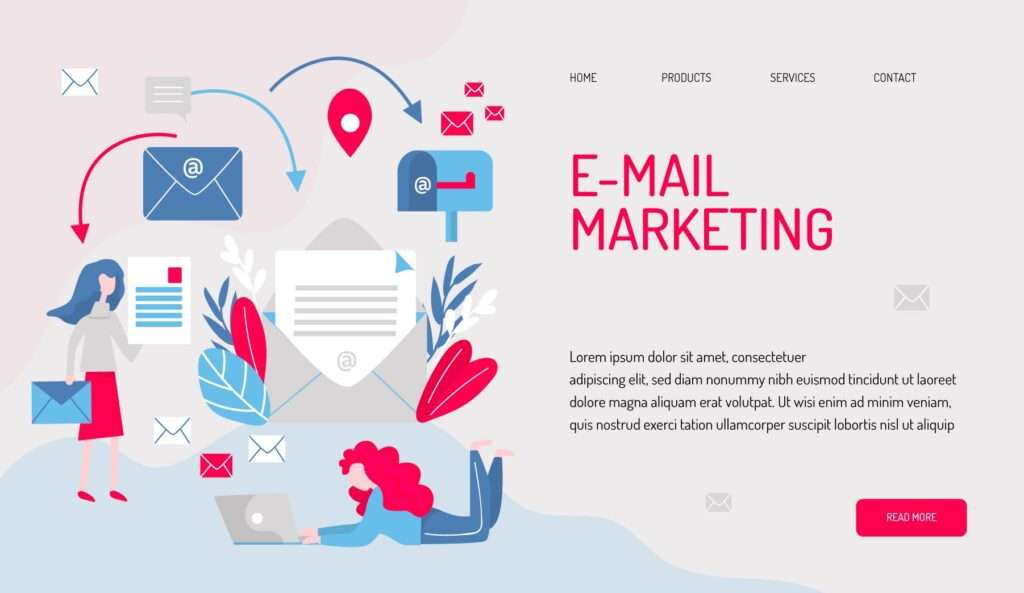
2. Email Marketing
Email marketing involves sending targeted and personalized emails to a subscriber list with the goal of building relationships, nurturing leads, and driving sales. Email marketing can include newsletters, promotional emails, welcome series, abandoned cart emails, and more. The key to effective email marketing is to provide value to the subscriber while promoting products or services that are relevant and valuable to them.
3. Social Media Marketing
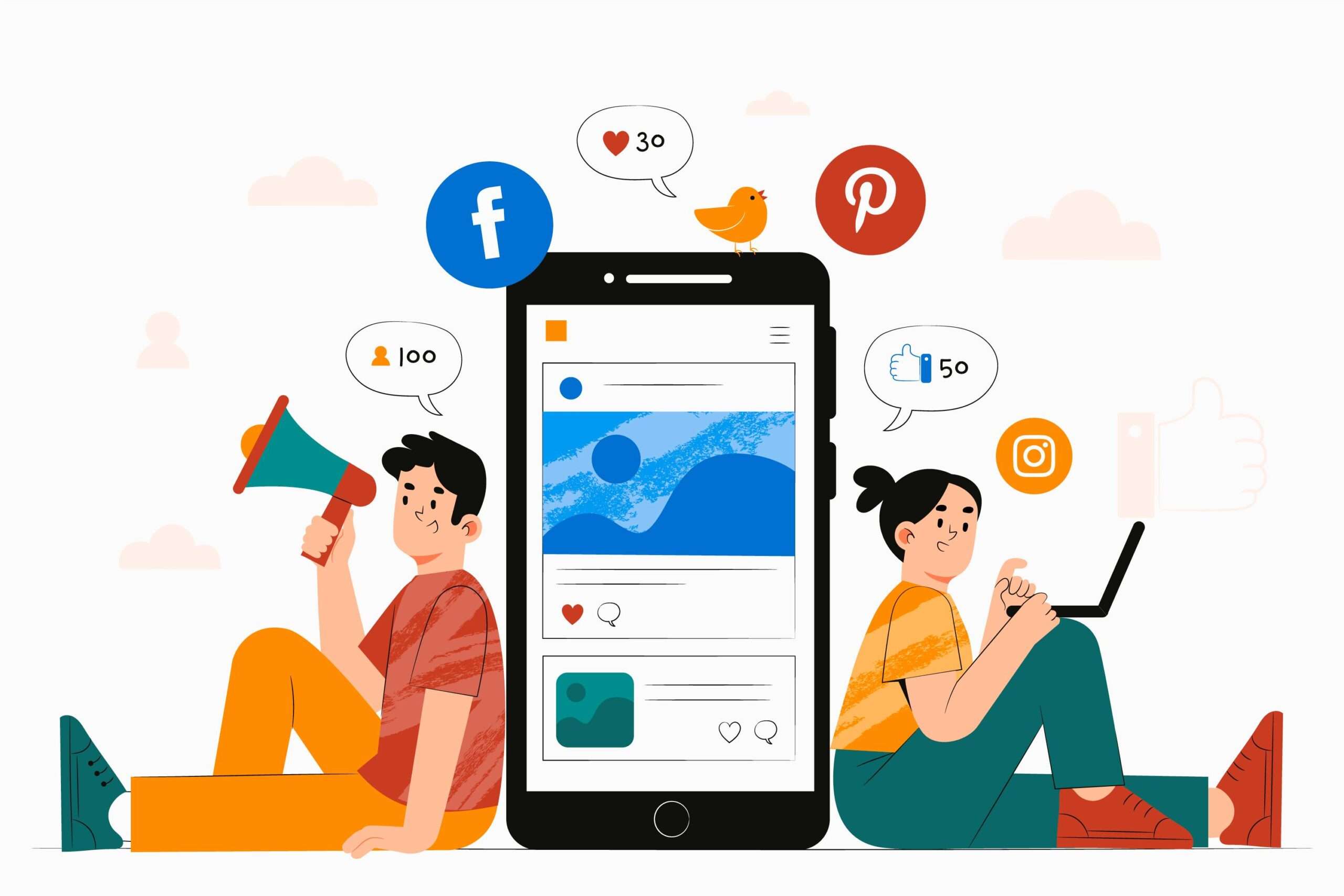
Social media marketing involves using social media platforms like Facebook, Instagram, Twitter, LinkedIn, Quora to reach and engage with target audiences. Social media marketing can include organic content creation, paid advertising, influencer marketing, and community management. The goal of social media marketing is to build relationships with the target audience, increase brand awareness and engagement, and drive traffic to a website or landing page.
4. Pay-Per-Click Marketing (PPC)
Pay-per-click (PPC) advertising is a form of digital advertising where businesses pay for their ads to be displayed on search engine results pages (SERPs), social media platforms, and other websites. With PPC, businesses bid on keywords and pay for each click their ads receive. Some common PPC platforms include Google Ads, Bing Ads, Facebook Ads, and Twitter Ads.
Benefits of Digital Marketing
Digital marketing could be an integral part of any business marketing strategy on fulfilling their Organization objectives.
The benefits are as follows,
- It scales easily
- It is cost-effective
- Dedicated & Improved Customer Support
- Boost up the sales
- Results can be quickly and transparently measured and analyzed

Conclusion
Digital marketing has revolutionized the way businesses promote their products and services. It offers a wide range of channels and tactics that can be used to reach and engage with a specific target audience. It ever aging the power of digital technologies such as the internet, social media, email, mobile devices, and search engines, businesses can create more targeted, cost-effective, and personalized marketing campaigns that drive more leads and sales.
In an Overview, digital marketing has become an essential component of any modern marketing strategy. By staying up-to-date with the latest trends and technologies, businesses can reach and engage with their target audience in new and innovative ways, ultimately driving more leads and sales for their business.